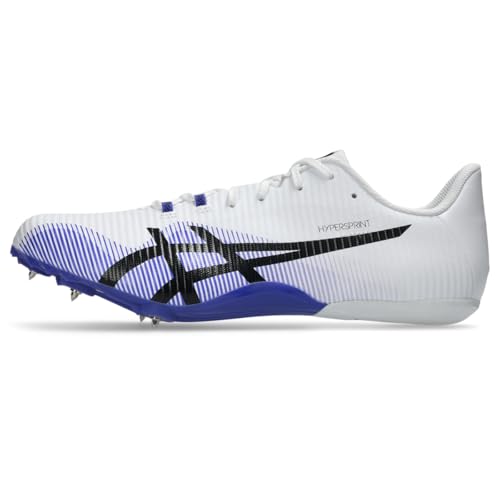
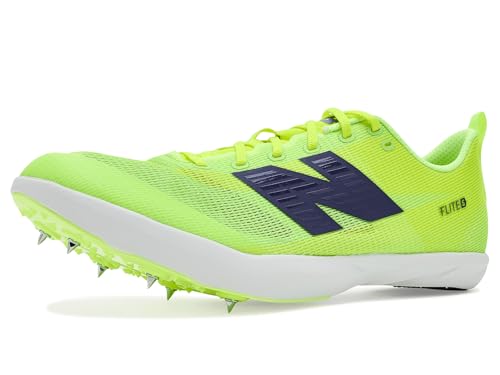
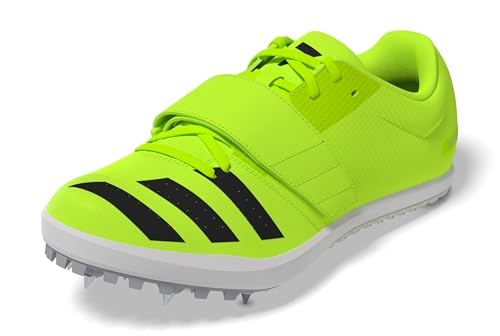
Sprinters get the stiffest plates. The ASICS Hypersprint 8 suits a first or second-year sprinter or hurdler. The New Balance FuelCell Flite-S uses a Pebax plate built for 60m to 400m. Distance runners need more cushion for eight laps, which the ASICS Hyper MD 8 adds with an EVA midsole. A freshman who has not settled on an event can start in the Saucony Velocity MP, a multi-purpose spike. Triple jumpers and vaulters use the Adidas Jumpstar, and throwers spin in the VELAASA Stones.
High jump is the exception among jumps. High jump spikes carry pins under the heel for the takeoff plant, so a high jumper needs a high jump model, not the Jumpstar. Ask the athlete which jump they do before you order.
Spikes stay on the track. Athletes warm up and cool down in trainers, so a pair of spikes lasts longer than daily running shoes. An upgrade to a stiffer plate makes a good gift once the athlete settles into an event.
Follow these steps before you order spikes:
- Ask the coach which spike. Coaches often have a preferred type for each event group, and some teams order team spikes in the fall.
- Read the tongue label. Copy the size from their current spikes or running shoes. Many spikes use unisex sizing: the ASICS listings show a men's 10 as a women's 11.5.
- Expect a snug fit. Running Warehouse's beginner spike guide says spikes should fit snug but not painfully tight, with toes brushing the front. It also warns that beginners often buy spikes too small.
- Try them with race socks. Spikes fit differently over a thick sock, so have the athlete try them on with the socks they race in.
- Keep the box. Check the return window on the Amazon product page, and have the athlete try spikes on carpet first so a return stays possible.
If you cannot learn the size, give a gift card to a running store or to Amazon and let the athlete try spikes on.