Ask where they run most, or look at the dirt on their shoes. Each kind of trail wears out different gear.
| Their usual trail |
What goes wrong |
Gifts that fit |
| Forest singletrack with roots |
Trips in low light, ticks, muddy shoes |
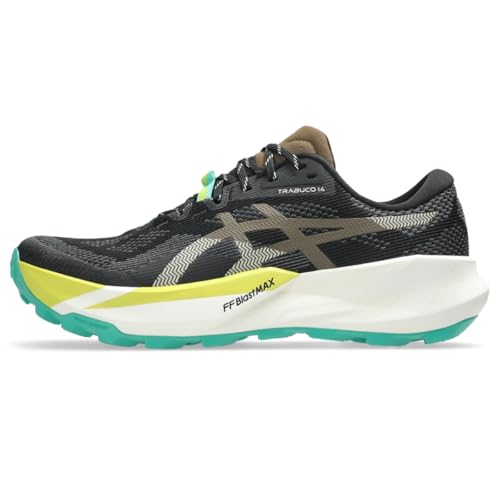
Headlamp, tick kit, gaiters, grippy shoes |
| Mountain climbs above tree line |
Steep grades, wind, sun, getting lost |
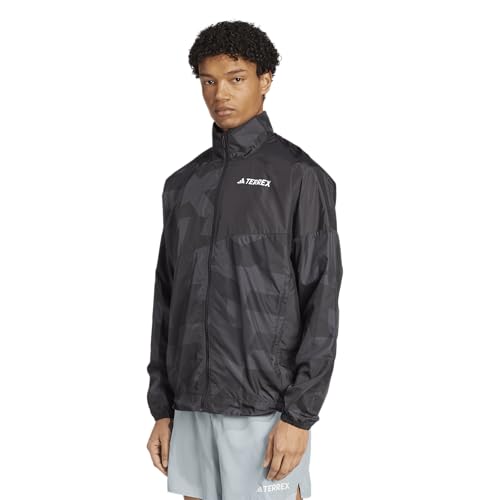
Poles, wind jacket, cap, map watch |
| Desert and canyon trails |
Heat, no shade, no cell service |
Filter flask, sunglasses, satellite messenger |
| Rocky technical trails |
Bruised feet, falls, scraped hands |
Rock-plate shoes, first aid kit, toe socks |
| Winter trails |
Ice, early dark, cold stops |
Traction spikes, emergency blanket, merino layer |
| Unmarked or new trails |
Wrong turns, dead phone |
Compass, map watch, satellite messenger |
Most trail runners mix two or three of these. A runner in Colorado and a runner in Georgia both need a light and a first aid kit, but only one needs spikes in March.
Three quick questions narrow the list further. Ask a training partner if you cannot ask the runner without spoiling the surprise.
Do they run alone? Solo trail runners get the most from a satellite messenger, a first aid kit and a friend who knows their route. Group runners lean on each other and care more about comfort gear.
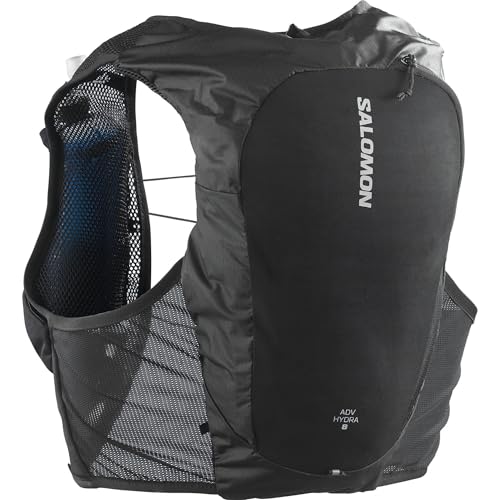
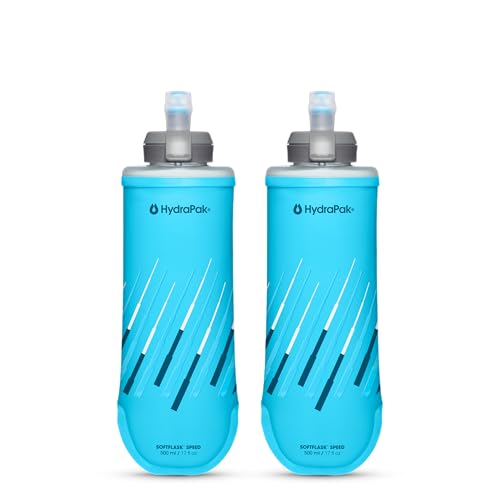
How long is a normal run? Under an hour, one handheld bottle and a light cover it. Past 90 minutes, they need a vest, soft flasks, real food and a layer.
Do they finish in the dark? Anyone who runs after work from October to March needs a headlamp bright enough for roots and rocks, plus a spare battery. A road runner's 200-lumen lamp feels dim on a technical trail.